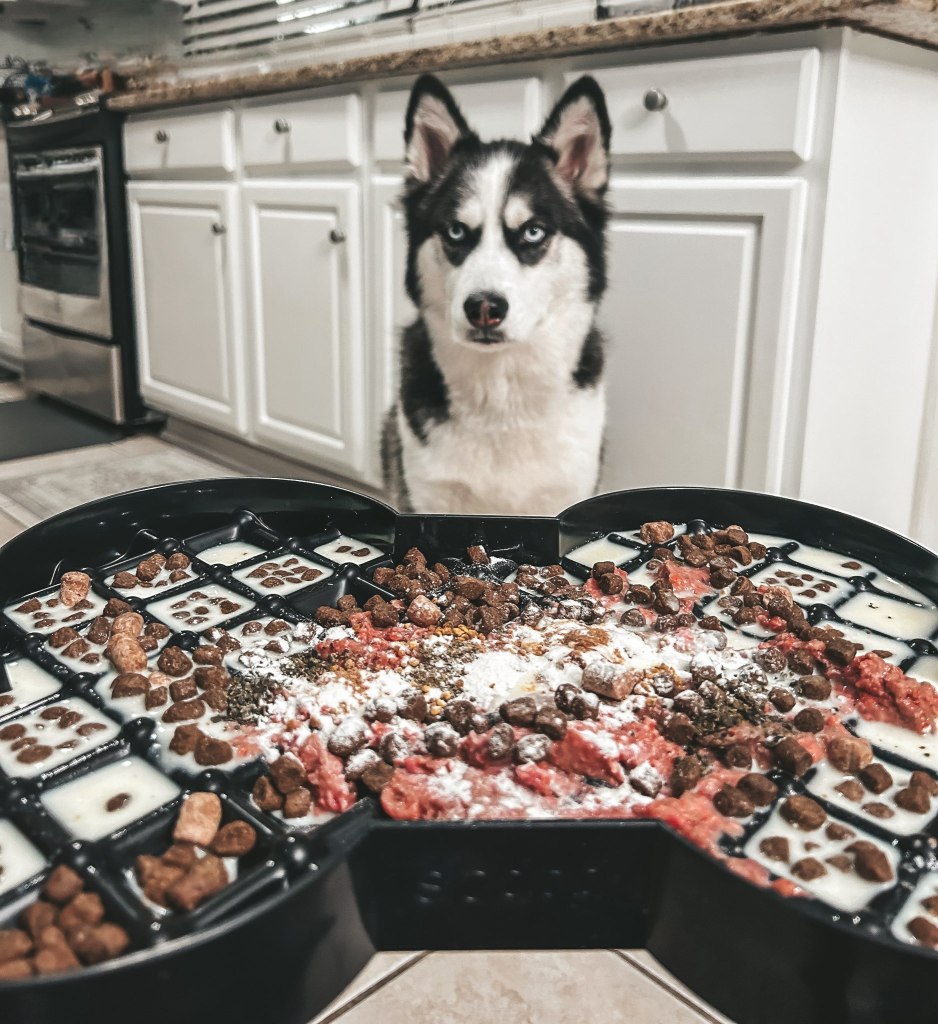
We have always been interested in canine nutrition and feeding Kilo the best supplements and food. We started raw feeding about a year and half ago when we found out Kilo had lipid keratopathy and wanted to make the switch to help him. We started with just 25% raw and the rest kibble and have increased to 50% raw and 50% kibble. Let’s explore the benefits of raw feeding, popular concerns, why we will always feed some kibble and what raw we recommend!
Benefits of Raw Feeding:
Improved Digestion: Raw food is easier for dogs to digest compared to processed commercial diets, leading to better nutrient absorption and reduced digestive issues. Fun fact: once we started adding in raw to Kilo’s diet his poops improved! They were small, solid and some days he only poops once a day.
Healthier Skin and Coat: A raw diet rich in essential fatty acids and nutrients promotes healthy skin, a shiny coat, and reduces itching and allergies. When we added raw to Kilo’s diet we noticed a reduced amount of itching & a softer, shiner coat!
Dental Health: Chewing on raw bones helps keep your dog’s teeth clean and healthy, reducing the risk of dental problems like plaque and tartar buildup.
Enhanced Energy and Vitality: Proper nutrition from raw food supports overall health, leading to increased energy levels, better stamina, and improved immune function. Kilo has so much more energy (if you can imagine that) once we added in raw to his diet. And, he gets very excited to eat and work for his meals!
Weight Management: Raw feeding allows better control over portion sizes and ingredients, making it easier to maintain a healthy weight for your dog. Since switching to half raw, Kilo has lost 7 pounds and has been able to maintain that weight now for 6 months.
Benefits of Blending Raw with Kibble:
Nutritional Diversity: Combining raw food with kibble ensures a diverse nutrient profile, offering a wider range of vitamins, minerals, and macronutrients for optimal health.
Convenience and Variety: Mixing raw and kibble provides convenience without compromising on nutritional value, allowing for flexibility in feeding routines and introducing variety into your dog’s diet. We use kibble for enrichment feeders and training! We find that kibble is also easier when we board Kilo and when we travel.
Transitioning Ease: For dogs transitioning to raw feeding, blending with kibble can ease the process, gradually acclimating their digestive systems to the raw food’s richness.
Cost-Effective Solution: Incorporating raw food as part of a blended diet can be a cost-effective approach, balancing the benefits of raw feeding with the affordability of kibble.
Popular Raw Feeding Concerns:
Safety Concerns: Raw food, especially meat, can harbor bacteria such as Salmonella and E. coli, which can pose health risks to both dogs and humans. Improper handling or storage of raw food can increase the likelihood of contamination.
Our thoughts…Proper handling and sourcing of raw food can mitigate the risk of bacterial contamination. High-quality raw food from reputable suppliers undergoes strict quality control measures, reducing the likelihood of bacterial presence. Additionally, dogs have a shorter and more acidic digestive tract than humans, making them better equipped to handle bacteria commonly found in raw meat. Treat it like handling human raw food!
Nutritional Imbalance: Without proper knowledge and guidance, raw feeding may lead to nutritional imbalances, deficiencies, or excesses. Dogs require a balanced diet with the right proportions of proteins, fats, vitamins, and minerals, which can be challenging to achieve with raw feeding without careful planning.
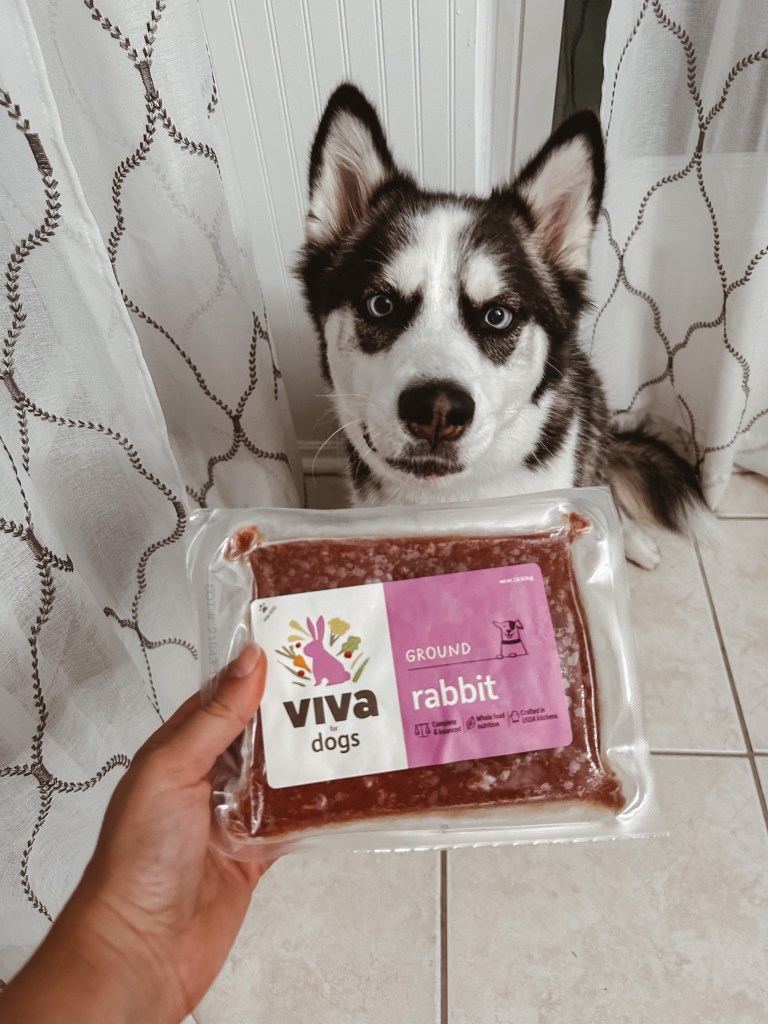
Our thoughts…Raw feeding can be balanced by following reputable guidelines and consulting with veterinary professionals or pet nutritionists. Many raw feeding advocates emphasize the importance of variety, including a mix of muscle meat, organs, bones, and supplements to ensure dogs receive all necessary nutrients in appropriate proportions. We also recommend a supplier that provides a balanced raw option too! We use Viva Raw Pets – you can use our code KILO to try them out!
Digestive Sensitivity: Some dogs may have sensitive digestive systems that can react negatively to sudden dietary changes or certain components of raw food, leading to gastrointestinal issues like diarrhea or vomiting.
Our thoughts…Gradual transition and monitoring are key to addressing digestive sensitivity when switching to a raw diet. Start by introducing small amounts of raw food mixed with the current diet and gradually increase the ratio over time. Monitoring for any signs of digestive upset allows for adjustments as needed. Initially, Kilo’s daily recommendation of raw was 7 ounces so we slowly introduced it to him by starting with one ounce and adding an ounce each day.
Veterinary Recommendations: Some veterinarians may not recommend raw feeding due to the aforementioned risks and challenges associated with ensuring a balanced and safe diet for dogs. They may prefer commercially available diets that are thoroughly tested and formulated to meet nutritional standards.
Our thoughts…It’s important to acknowledge that while veterinarians play a crucial role in pet healthcare, including nutritional guidance, they may not always have the same level of expertise in canine nutrition as specialized pet nutritionists or board-certified veterinary nutritionists. Veterinarians receive broad training covering various aspects of animal health, including nutrition. However, just as with human medicine, specialized knowledge in specific areas such as nutrition requires additional training and certification.
Cost and Convenience: Raw feeding can be more time-consuming and expensive than feeding commercial diets or kibble. It requires careful meal preparation, sourcing quality ingredients, and may not always be feasible for all pet owners.
Our thoughts…While raw feeding can require initial investment and time for preparation, many proponents argue that the long-term health benefits outweigh the costs. Additionally, advancements in the pet food industry have made raw feeding more accessible, with pre-packaged raw food options available for convenience without compromising nutritional quality.
What we recommend:
We did quite a bit of research on raw food brands and for us, Viva Raw came out on top. The owners, Zach and Jenn, are pet owners, just like us, who got fed up with the lack of transparency when it came to fresh food brands.
Viva Raw only sources from farms that never administer hormones & antibiotics and all of their farms are audited by 3rd parties for their handling practices to ensure that all animals are humanely raised and are able to express natural behaviors throughout their life. Food safety & sanitation is their #1 priority! They source USDA-inspected meat & manufacture in their kitchens where the food is made alongside human food. And, they are the only company that’s producing a chunked food.
For us, Viva Raw has emerged as a front runner in the realm of raw dog food, offering premium-quality, balanced nutrition tailored to meet the needs of our beloved pets. By integrating raw feeding, even at a 25% ratio, and combining it with kibble, you can unlock a spectrum of benefits ranging from improved digestion, enhanced energy, and overall well-being. As we mentioned before, if you want to give Viva Raw a try, you can use our code KILO for a discount. We do make a small commission off of your purchase so we appreciate the support!
 Our Howling Adventures
Leave a comment